Why steam readings are often disputed
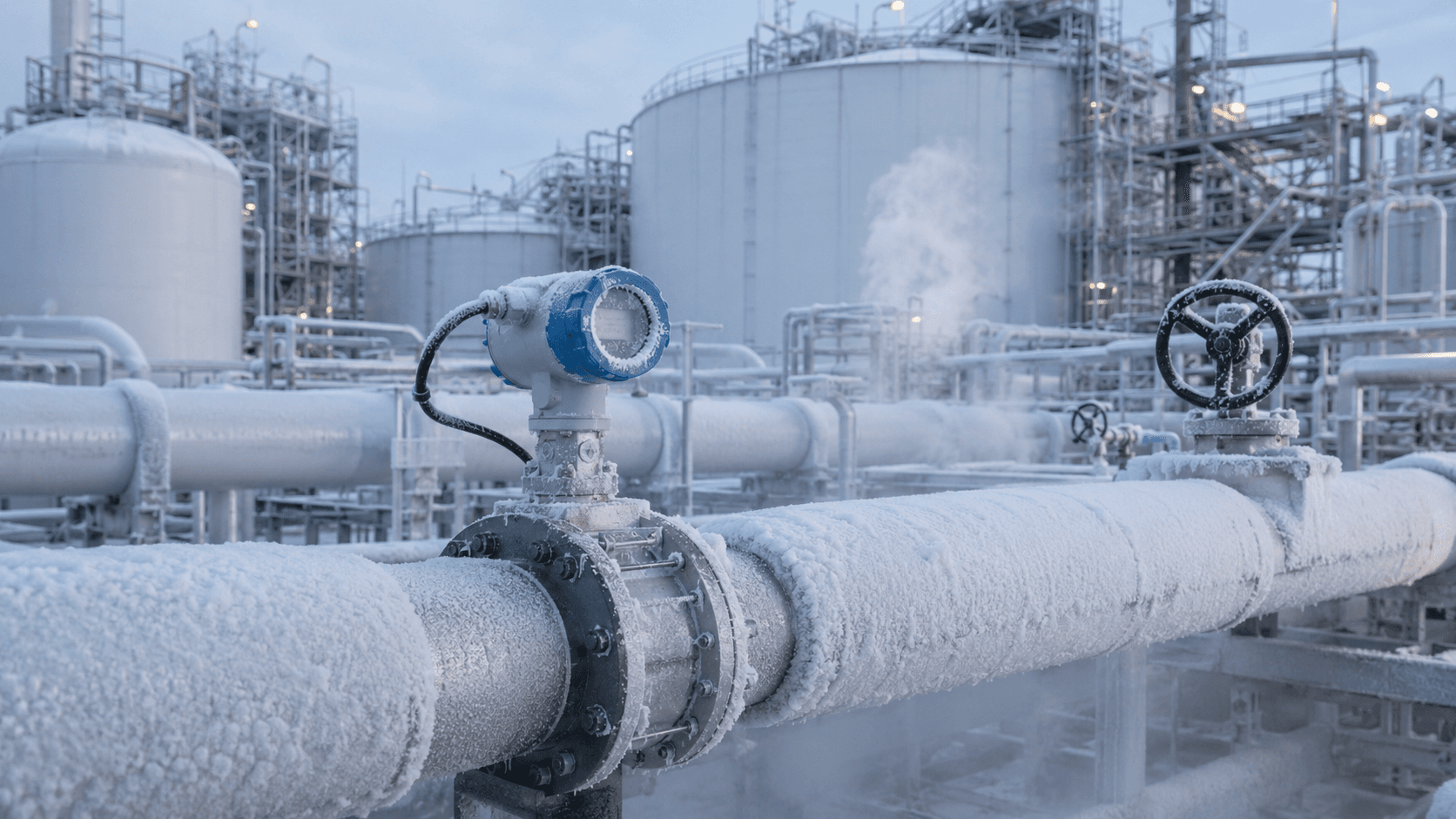
Steam is a demanding measurement service because the process condition can change and the line environment is often difficult. A reading may be questioned when load changes, pressure varies, condensate appears, insulation is poor or the meter is installed too close to elbows, valves or reducers. When the number looks wrong, the meter is often blamed first.
Sometimes the instrument is the problem. But many steam measurement issues begin earlier, around the conditions near the meter. Before replacing hardware, the plant should review what changed in the process, installation, pipe support, insulation, pressure, temperature or confidence around the reading.
Which site conditions should be checked first?
Start with the steam condition. Is the application saturated steam or another steam condition? What are the operating pressure and temperature? Does the line have condensate, wet steam behavior or changing load? These details help determine whether compensation or another configuration should be reviewed.
Then check the pipe layout. Available straight pipe, upstream elbows, control valves, reducers and nearby equipment can affect the flow profile. Vibration from pumps, compressors or weak pipe supports can affect signal behavior. Access limitations, insulation and display position can also influence whether the installation is practical.
When vortex flowmeter selection needs context
Vortex flowmeters are often reviewed for steam service, but selection should not stop at the product family name. The buyer should send pipe size, flow range, pressure, temperature, straight pipe length and installation photos. If the operating condition changes, the discussion may include pressure and temperature compensation.
If the line layout is difficult, V-Cone or balanced differential pressure options may also be reviewed depending on the application. The purpose is not to replace one fixed answer with another. It is to match the meter type and configuration to the steam line that actually exists.
What usually gets missed in steam troubleshooting
Many troubleshooting conversations start after the reading is already doubted. At that point, the site may not have clear records of the original flow range, pressure, temperature, installation location or straight pipe assumptions. If those details were not reviewed during selection, it becomes harder to decide whether the issue is the meter, the process or the installation.
Condensate and wet steam can also create confusion. A plant may describe the application simply as steam, while the actual line condition changes during operation. Pressure and temperature information helps the supplier understand whether the reading should be reviewed with compensation, installation or process condition in mind.
How measurement confidence is built
Confidence in a steam reading comes from several connected steps. The meter family should fit the media and process condition. The flow range should be reviewed against minimum, normal and maximum operation. Pressure and temperature should be known. Installation should support the measuring principle. The signal output should match the plant system.
Calibration context also matters. In-house calibration supports the supply process, but it cannot replace the need for accurate site details. The plant should know what operating condition was used for selection and how the reading will be used after startup, whether for steam balance, energy review, process control or utility reporting.
What to send before replacing a steam meter
Before replacing a steam meter or requesting a new quotation, send steam type, pipe size, pressure, temperature, flow range, installation photos, straight pipe length, vibration notes, connection type, power supply and signal output requirement. Add information about condensate, insulation, nearby valves and any recent process changes.
This information helps Velomac review whether the current problem is likely related to selection, installation, process change, signal output or the meter itself. A careful steam review can prevent the site from changing hardware without solving the real measurement issue.
Questions for boiler and utility teams
For boiler systems and steam distribution, ask whether the line condition changes with load, whether pressure is stable, whether temperature is measured, whether condensate has been observed and whether the meter location has enough straight pipe. Ask whether the reading is used for energy review, process control, cost allocation or troubleshooting.
Utility teams should also share photos of the installation point, insulation, valves and pipe supports. If a reading became disputed after a process change, note the date and what changed. This context helps Velomac review whether the issue is likely selection, installation, process condition or signal interpretation.
When another meter type should be discussed
Vortex is a common steam discussion, but it is not the only possible direction for every difficult line. If straight pipe is limited, if the flow profile is disturbed, or if the site has special pressure loss and installation concerns, V-Cone or balanced differential pressure options may be reviewed. The comparison should be based on the actual steam line and the purpose of the reading.
The buyer should not feel forced to name the meter type before sharing the site condition. A better steam inquiry explains the operating state and the measurement problem first. The supplier can then recommend the meter family and configuration that best fits the available details.